Typical window tinting prices in Toronto (2026)
The table below shows typical installed price ranges for the main film categories in the Greater Toronto Area. They include the film and professional installation on standard, easy-to-reach residential glass. Treat them as a budgeting guide rather than a quote — your exact price depends on the factors covered further down.
| Film type | Typical price / sq ft | What it’s for |
|---|---|---|
| Standard solar control film | $8 – $14 | Cutting heat, glare and UV on sunny windows |
| Premium ceramic / spectrally selective film | $12 – $20 | Strong heat rejection with a near-clear, low-reflective look |
| Frosted & privacy film | $10 – $18 | Bathrooms, sidelights, street-facing windows |
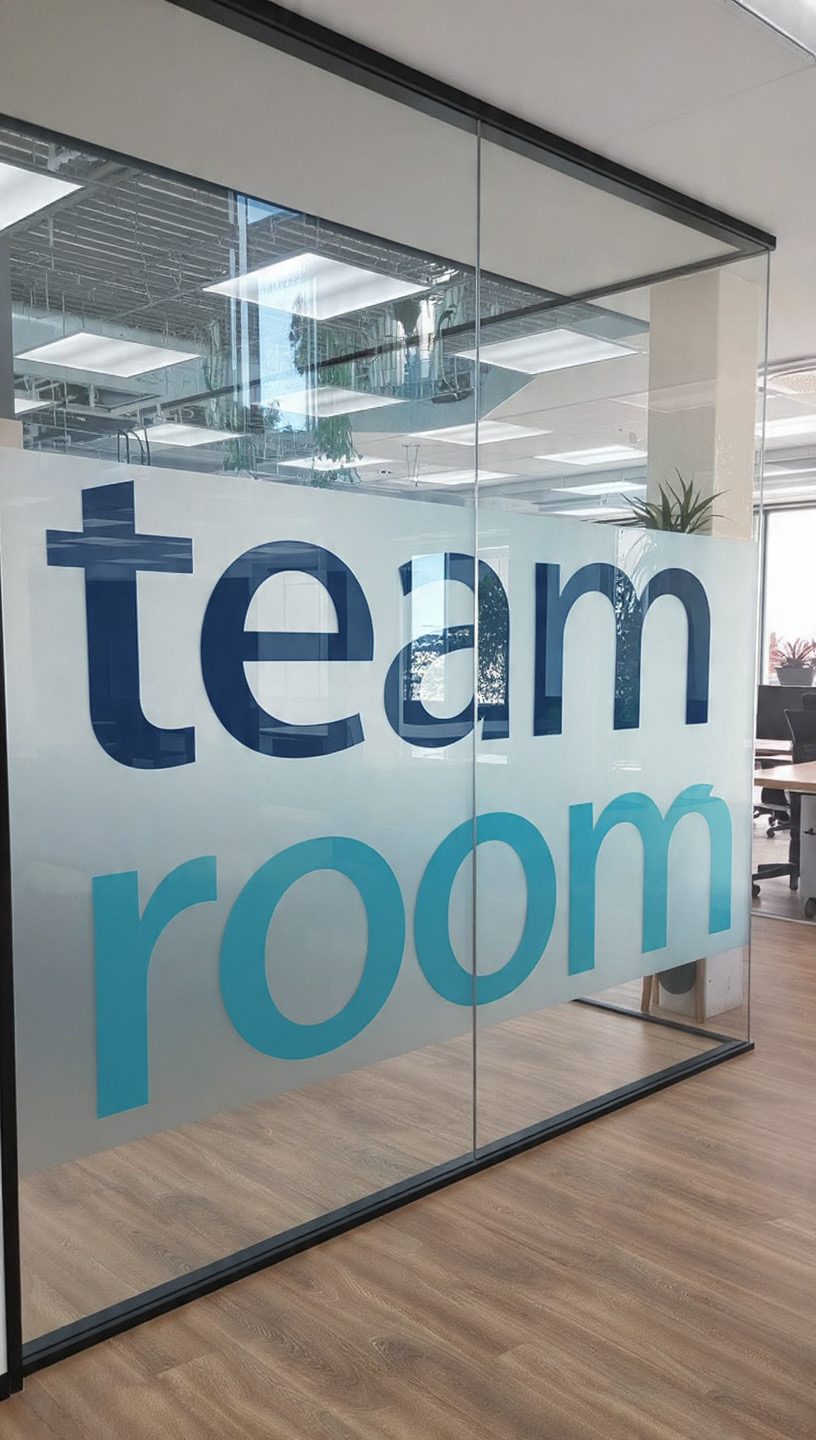
| Decorative & custom-cut film | Quoted per design | Logos, patterns, gradient bands, branded glass |
| Safety & security film (film only) | $12 – $22 | Holding broken glass together, slowing smash-and-grab entry |
| Security film with attachment system | $20 – $30+ | Film anchored to the frame for maximum forced-entry resistance |
What that looks like for real projects
Per-square-foot prices are easier to picture with a few typical GTA projects. To estimate your own glass area, multiply each pane’s width by its height in inches and divide by 144.
| Project | Approx. glass area | Film | Typical budget |
|---|---|---|---|
| Condo living room — two windows and a balcony door | 60 sq ft | Standard solar | $480 – $840 |
| South- and west-facing windows across a detached home | 180 sq ft | Premium ceramic | $2,160 – $3,600 |
| One bathroom window | 12 sq ft | Frosted privacy | Minimum charge often applies |
| Retail storefront — three large panes | 144 sq ft | Security film (film only) | $1,730 – $3,170 |
Commercial projects with many identical panes can come in at a lower per-square-foot rate because of the volume, while homes with lots of small divided-light panes cost more per square foot because every pane is cut, fitted and squeegeed individually.
What drives the price on your quote
Two quotes for the “same” windows can look very different. These are the factors that actually move the number:
- Film type and performance. Higher heat rejection with a clearer, less reflective look (ceramic and spectrally selective films) costs more to manufacture than basic dyed or metallized film.
- Total glass area. The bigger the job, the more the set-up and travel cost is spread out, so larger projects usually have a lower effective rate.
- Number and size of panes. Ten small panes take far longer to cut and fit than one large pane of the same total area.
- Access. Second-storey windows, stairwells, skylights and high commercial glazing may need ladders, scaffolding or a lift.
- Removing old film. Peeling, bubbled or purple film has to be stripped and the adhesive cleaned off before new film goes on — that’s extra labour.
- Glass type. Double-pane, low-E, tinted or very large annealed panes may need a specific compatible film. (See our guide to window film on double-pane and low-E windows.)
- Custom design work. Logos, patterns and precisely cut decorative layouts are priced by the design, not just the area.
- Scheduling. Commercial installs outside business hours or on tight deadlines can carry a premium.
How to compare quotes: the specs that matter
The cheapest price per square foot isn’t the best value if the film doesn’t do the job. Ask every installer to name the exact product and give you its performance data. These are the numbers worth comparing:
- VLT (visible light transmitted) — how much daylight gets through. Higher VLT means a clearer, brighter look; lower VLT means darker glass and more privacy.
- TSER (total solar energy rejected) — the best single measure of heat control. The higher the percentage, the more of the sun’s energy is kept out.
- UV rejection — quality films block 99% or more of UV, the biggest single contributor to fading.
- Glare reduction and exterior reflectance — important if you dislike a mirrored look or live in a condo with appearance rules.
- Warranty in writing — who backs it (the installer, the manufacturer or both), how long, and what it covers.
At Prime Window Coverings, our window films carry a lifetime warranty for residential applications and a 10-year warranty for commercial applications, and the exact film specification is written on your quote.
Is window tinting worth the cost?
For most GTA homes with hot, sunny rooms, faded floors or glare problems, yes. Window film goes onto your existing glass, so it costs a fraction of replacing windows and is usually installed in a day. The payback isn’t only on your hydro bill — it’s in rooms you can actually use on summer afternoons, furniture and hardwood that stop fading, and screens you can see.
Where film is not the right answer: if your windows are already failing (fogged between the panes, rotten frames, drafty seals), fix or replace them first — film improves good glass, it doesn’t repair broken windows. And if you only need darkness at night, a blackout roller shade may be the better spend.
If heat is your main concern, our guide on whether solar window film really cuts AC bills walks through realistic expectations.
Five ways to keep your window film project on budget
- Film the windows that cause the problem first — usually south- and west-facing glass — rather than every window in the house.
- Bundle rooms into one visit so you aren’t paying a minimum charge more than once.
- Choose the right film for each room: frosted where you need privacy, solar where you need heat control, security film only where entry risk is real.
- Send accurate approximate measurements and photos up front so the quote is right the first time.
- If you’re planning blinds or shades as well, ask for them to be quoted and installed in the same visit.
How to get an accurate quote
You don’t need perfect measurements to get started. Send us the approximate width and height of each window (or each pane), which direction the windows face, photos if you have them, and what you want to fix — heat, glare, privacy, fading or security. We’ll send a clear quotation, then confirm exact dimensions at a final on-site measurement before anything is ordered. It’s the same four-step process we use on every job.